



The Mafia game, a popular party pastime, has intrigued players for decades with its blend of deception, strategy, and teamwork. It's a social game that challenges individuals to employ their wits, blending role-play with a keen sense of observation. Initially crafted by Dmitry Davidoff in 1986, this game has transcended geographies and cultures, morphing into various versions while retaining its core essence.
At its core, the Mafia game resembles a battle between an informed minority (the Mafia) and an uninformed majority (the townspeople). A gamemaster oversees proceedings, guiding players through various phases. Within the group, specific roles are designated secretly, through cards or other means, assigning participants to Mafia or townsperson roles.
The game transitions through a 'night' phase where the Mafia conspires covertly, followed by a 'day' phase that unveils debates and accusations. During the day, players discuss and vote on whom they suspect to be part of the Mafia, attempting to eliminate them to ensure the survival of the townspeople.
The elusive nature of Mafia is enriched by diverse roles that add complexity. Common roles include:
These roles work in tandem, crafting an engaging narrative that manages to capture the attention of its participants.
Pivoting from the game’s mechanics, the concept of pagtaya, which translates to 'betting' in Filipino, introduces another dimension to the social interaction involved in Mafia. While gambling isn't inherently integrated into the traditional game, the notion of pagtaya reflects valuing judgment, risking elimination, and leveraging social capital.
Pagtaya here symbolizes not just betting one's survival within the game but also wagering reputation and intuition against the cunning adversaries of the Mafia team.
The intrinsic cultural elements that pagtaya brings to the Mafia game paint a vivid picture of its relevance across societies. In many cultures, particularly where communal activities are treasured, such games bolster social ties, allowing participants to refine their interpersonal skills across myriad interactions.
Engaging in Mafia within a community setting becomes an exploration of trust, deception, and the effectiveness of collective decision-making. The strategic investment in determining friend from foe resonates with real-world scenarios, presenting an allegory for critical thinking in daily life.
In recent times, as societal dynamics evolve, the intersection of technology with traditional pastimes like Mafia has garnered renewed interest. Online platforms enable remote participation, ensuring that geographical constraints don't hinder social interaction nor the ability to engage in pagtaya as a cultural form.
Reflecting current global dynamics, playing Mafia in contemporary settings highlights the renewed importance of adaptive thinking and strategic planning, skills increasingly invaluable in a digitally connected world.
Beyond personal gatherings, the Mafia game has permeated popular culture. TV shows, films, and web series capturing the intense drama of similar themes owe their inspiration, in part, to such interactive gaming experiences. This phenomenon underscores how cultural practices evolve, adapting themes of deception into a narrative celebrated by a global audience.
The clear delineation between good and evil, mirrored in storytelling and gameplay, allows Mafia players to explore these concepts in safe yet challenging environments. The interactive nature of the game influences not only player dynamics but also broadens its outreach and appeal.
As the diverse tapestry of the Mafia game's iterations continues to weave through various cultures, its intriguing balance between spontaneity and strategy ensures that it remains a staple for interactive social gatherings.
Whether played casually among friends or observed within more structured environments, Mafia prospers on the intricate dance of deception and deduction, a timeless ritual reflecting society's age-old fascination with the unknown. Its myriad lessons in observation, trust-building, and social strategy make Mafia a perennial favorite, enriched even further when explored through the lens of cultural elements such as pagtaya.

Explore the captivating world of FortuneEgg, understand the rules, and discover how pagtaya adds to the thrill of the game.
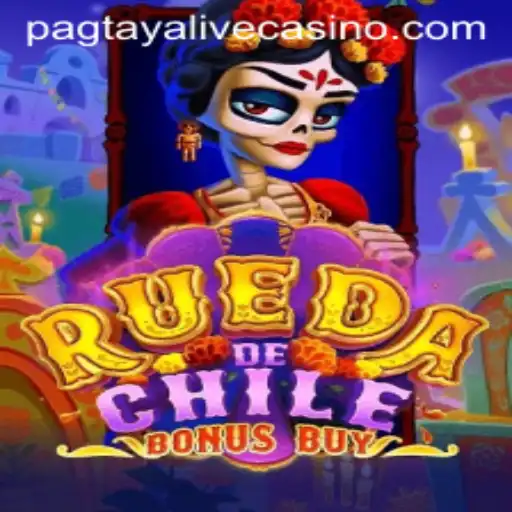
Delve into the vibrant world of RuedaDeChileBonusBuy, understanding its gameplay, intriguing mechanics, and expert pagtaya tips.

Explore the fascinating world of JungleKing, a captivating game that combines adventure, strategy, and the excitement of pagtaya. Learn about its dynamic gameplay, engaging rules, and its relevance in a contemporary gaming landscape.

An in-depth exploration of HotHeavy, the thrilling game that combines strategy and chance with the traditional concept of pagtaya.

Dive into the captivating world of Apsaras, a game that intertwines mythical themes and strategic pagtaya, offering players an engaging experience.

Unveil the excitement and intricacies of Temple of Thunder II Bonus Buy, a captivating game that merges thrilling gameplay with strategic opportunities, all while linking to the fascinating world of online gaming.
